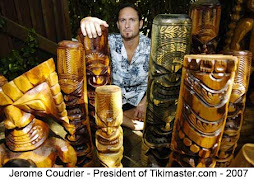
Tiki culture has become increasingly popular in recent years, with its vibrant colors, tropical vibes, and unique wooden sculptures. But what exactly is a wood carved tiki totem and what is the significance behind it?
In this article, we will learn about tiki statues and their significance in famous wooden carvings.
The Origins of Tiki
The word “tiki” comes from the Maori language of New Zealand and refers to the first man created by the gods. In Polynesian mythology, people also know tiki as the god of fertility and the creator of the first woman. Tiki culture has its roots in Polynesia, specifically in the islands of Hawaii, Tahiti, and New Zealand. The Maori people created the first tiki sculptures as a way to honor their gods and ancestors.
The Significance of Carved Tiki
Carved tiki totems are more than just decorative pieces.
Polynesians think hand-carved tiki totems and masks are vital and possess spiritual powers.
Each tiki statue represents a different god or ancestor and brings safety, wealth, and luck to the owner.
The intricate carvings on these primitive art pieces also hold symbolic meanings, such as strength, courage, and fertility.
The Art of Carving Tiki
Generations have passed down the traditional Polynesian art form of hand carving tiki statues.
To create wooden masks and tiki sculptures, the first step is selecting the appropriate wood. People often source this wood from fallen trees. Once you choose the wood, you give attention to the intricate details of the artwork.
OLYMPUS DIGITAL CAMERA
The most commonly used wood for carving tiki is the Koa tree, which is native to Hawaii. The carver then uses traditional tools such as chisels and adzes to shape the wood into a tiki figure. The final step is to add intricate details and designs, which can take hours or even days to complete.
The Different Types of Carved Tiki
Hawaii has many carved tikis, each with its own meaning and purpose. Many tiki options from Hawaii, but mainly found at tikimaster art gallery.
The “Ku” tiki is the most common tiki idol, representing the god of war and believed to bring protection and strength. The “Lono” tiki symbolizes fertility and portrays a pronounce belly and a joyful face. The god of creation, “Kane” tiki, often appears with a long beard and a serious expression.
Tikis in Hawaii are rarely hand carved traditionally because of the high cost of living. This makes it challenging to create tiki carvings.
The Modern Day Tiki Culture
While tiki culture has its roots in Polynesia, it has become a global phenomenon in recent years. Tiki bars, restaurants, and events are everywhere, often using carved tiki totems as decoration. Hawaiian culture’s popularity has increased demand for real carved tiki sculptures. Artists make modern versions of traditional designs.
In Conclusion
Carved tiki totems hold a rich history and cultural significance that goes beyond their vibrant and eye-catching appearance. Tiki statues represent Polynesian culture and bring protection, prosperity, and good luck to their owners.
Carved tiki is an interesting art form that captivates people worldwide. It appeals to those who like wooden sculptures. Whether they collect or simply appreciate its beauty and meaning.
Looking for tiki? Tikimaster.com has many carved tikis for sale and offers free shipping in the U.S. Buy from Oahu or online.
People know Hawaii for its beautiful beaches, tropical landscapes, and rich cultural heritage. The tiki is a famous symbol of Hawaiian culture.
Tiki refers to a human-like wooden sculpture associated with Polynesian deities. Among the many tiki gods, Ku is one of the most revered and significant. In this article, we will explore the history and significance of Ku tiki god in Hawaiian culture.
The Origin of Tiki Art
Tiki art is a significant and ancient aspect of Polynesian culture that dates back to the 13th century. People can trace the first tiki sculptures back to this time, showcasing the history and tradition of this art. These sculptures were highly revered and held great religious significance among the Polynesian people.
In Polynesian popular culture, people often used tiki carvings as religious idols to represent various gods and deities. People believed that these carvings possessed spiritual powers and considered them sacred objects. They placed them in holy places to connect the physical and spiritual worlds.
The term “tiki” itself originates from the Maori phrase “tiki-tiki,” which translates to “carved figure.” Tiki art is about carving wooden figures with skill and detail. These figures often depicted human-like forms with bold features, such as large heads, wide eyes, and prominent noses.
Tiki art not only served a religious purpose but also played a significant role in storytelling and cultural preservation. These carvings often depicted symbolic stories, legends, and historical events, passing down important narratives from one generation to another. The tattoos showed Polynesian culture and helped safeguard their traditions and beliefs alive.
Tiki art adapted to Polynesian cultures, with each adding their own style and meaning to the carvings. Today, people celebrate and appreciate tiki art as a form of artistic expression and cultural identity. It has gained popularity beyond Polynesia and has become a known symbol of the region’s vibrant and diverse culture.
Tiki art is an old and respected part of Polynesian culture, originating in the 13th century. These sculptures were religious idols, representing gods and deities, and were important for storytelling and preserving culture. The term “tiki” itself reflects the art form’s essence, emphasizing the skillful carving of wooden figures. People still love and honor Tiki art today because it shows Polynesian culture and who they are.
The Various Traits of The Ku Tiki Statues
The Ku tiki statues possess a multitude of distinct traits that make them truly unique and captivating. The Polynesian culture originated these statues, which have intricate craftsmanship and symbolic significance.
One of the most prominent traits of the Ku tiki statues is their imposing size. Artists typically carve these statues from large blocks of wood or stone, making them stand tall and command attention. Their size not only adds to their visual impact but also emphasizes their importance and power within the culture. Trader Vic’s restaurants and Don The Beachcomber have some of the original Ku statues.
Another notable trait of the Ku tiki statues is their intricate and detailed carvings. Skilled artisans carefully carve every aspect of the statue, from the facial features to the body adornments. The carvings often depict various symbols and motifs that hold deep cultural and spiritual meanings. The detailed carvings show the skill of the artists and represent the cultural heritage of the Polynesian people.
The facial expressions of the Ku tiki statues are also significant traits that distinguish them. The statues often have fierce and intense facial expressions, with bulging eyes, wide-open mouths, and prominent facial features. The god Ku, who links to war, power, and fertility, symbolizes the strength and protection of these phrases. The statues’ strong expressions show power and authority, highlighting their role as guardians and protectors.
Furthermore, people often adorn the Ku tiki statues with various ornaments and accessories. These can include headdresses, necklaces, and other decorative elements that symbolize different aspects of Polynesian culture. These decorations make the statues look better and also give them more meaning and symbolism.
Lastly, the materials used to create the Ku tiki statues are also noteworthy traits. In the past, people carved these statues from sacred and highly valued wood, such as koa or sandalwood. In more recent times, people have also used stone and other materials to create these statues. The choice of material often depends on the availability and cultural significance associated with it.
In conclusion, the Ku tiki statues possess a range of traits that contribute to their allure and cultural significance. Large, detailed statues with strong expressions and meaningful decorations represent Polynesian culture and spirituality.
The Significance of Ku Tiki God
Ku is the most powerful god of war in Hawaiian mythology, known as the “Kahuna Akua” among the four main gods. He appears as a strong fighter with a long beard, holding a spear and sacrificing a person.
Ku associates with agriculture and fecundity. He represents wealth and plenty, but is most famous for being strong, a warrior, and associated with the sunrise. His wife is Hina who represents the sunset.
The Role of Ku Tiki God in Hawaiian Culture
Ku tiki god was important in Hawaiian culture, as people thought he kept the islands and its people safe. He also served as a divine guardian of the Hawaiian people’s spiritual and cultural traditions. Numerous Hawaiians would present offerings and supplications to Ku, seeking safeguarding and direction.
The Evolution of Ku Tiki God in Modern Times
Christian missionaries came to Hawaii in the 1800s. They forbade the worship of tiki gods in the Hawaiian religion. Later, the government made this worship illegal. Many people destroyed numerous tiki carvings, and they almost lost the art of tiki carving.
However, in the mid-20th century, tiki culture experienced a revival, and tiki art became popular once again. In Hawaiian culture, people still respect and honor the Ku tiki god today. However, it is now more regarded as a symbol of heritage rather than a religious deity.
The Influence of Ku Tiki God in Pop Culture
Tiki art and culture have gained global popularity, extending beyond the Hawaiian islands. Their impact on international pop culture is evident.
Tiki bars and themed gatherings are gaining popularity, with individuals amassing tiki statues. The depiction of the Ku tiki god is widespread in movies, TV shows, and video games. Many bars and restaurants across the US feature the Ku symbol on tiki mugs or tiki-themed cocktail serviettes.
Conclusion
Ku tiki god is more than just a wooden carving; he is a symbol of Hawaiian culture and its rich history. As the god of war and protector of the islands, Ku holds a significant place in the hearts of the Hawaiian people. The Ku tiki god’s legacy lives on and inspires people worldwide, thanks to the revival of tiki culture.
If you are on Oahu, you can visit Tikimaster‘s showroom home of the largest Ku tiki on the island.
Do you have a favorite tiki carving or have you visited a tiki bar? Share your experiences in the comments below.
Aloha and welcome to Tikimaster's blog! After years of carving, I feel the need to share my experience and expertise with the world! My specialty is Tiki carving but I also carve Hawaiian canoes, Waka canoes, Tiki masks, Tiki totems and more. Some of my signature project reside at the Holokai restaurant in Waikiki or the Shack Waikiki.